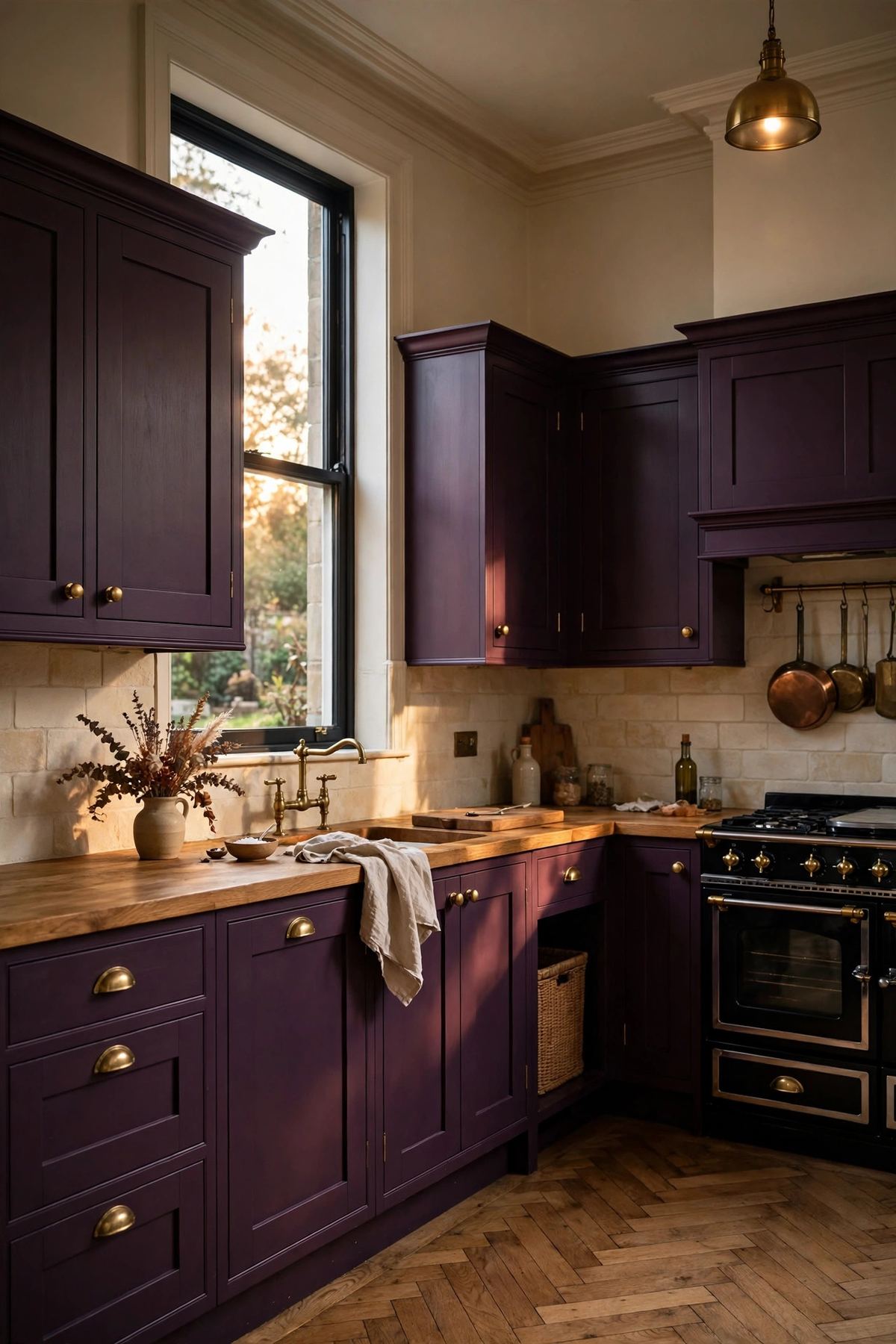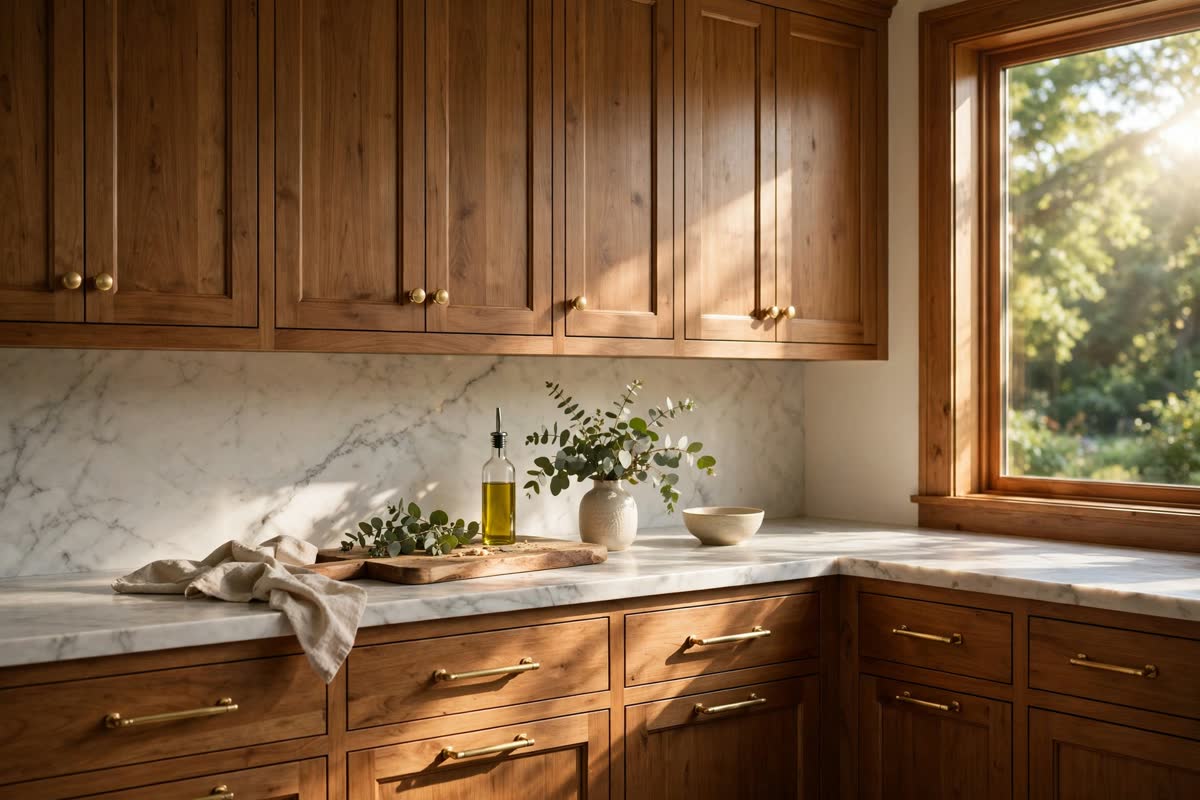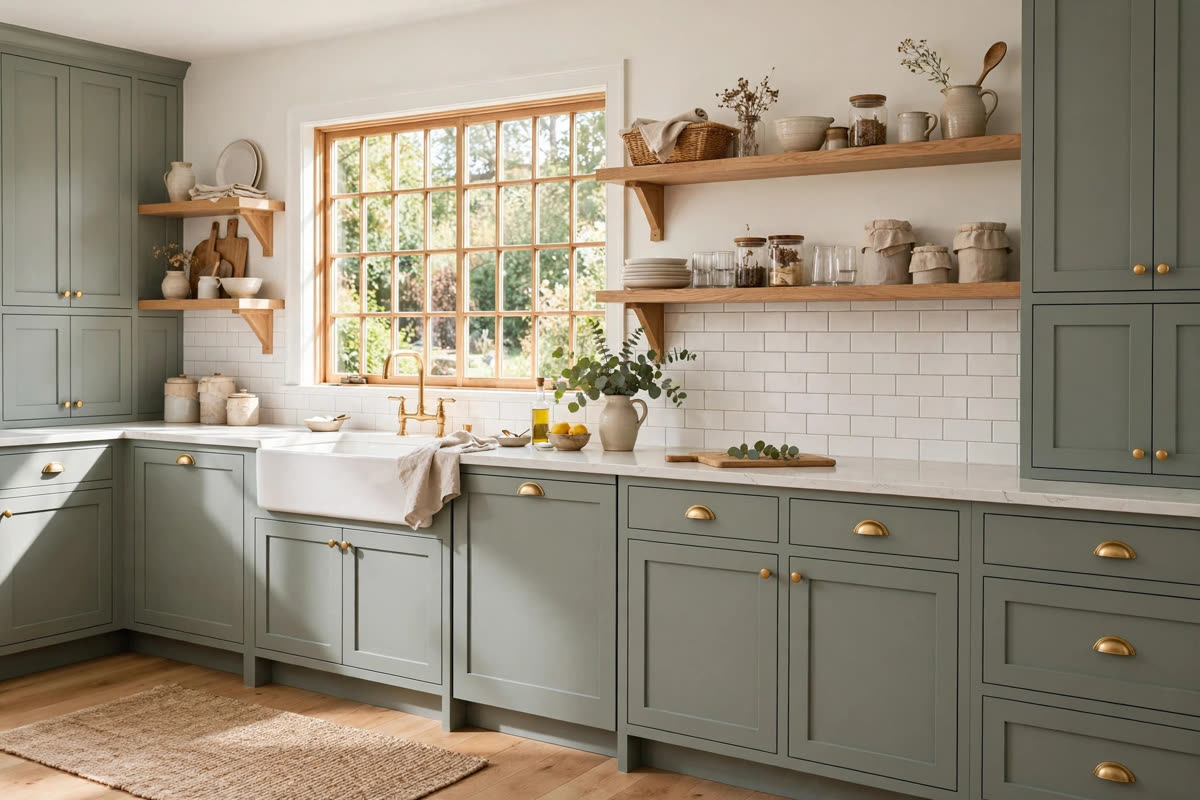
If white cabinets feel sterile and dark cabinets feel cave-like, there is a third option that has quietly taken over designer kitchens: sage green kitchen cabinets. Somewhere between a soft neutral and a confident color, sage reads as calm on Monday morning and sophisticated at a dinner party — and 2026 trend reports confirm it is not going anywhere.
In this guide, I will show you the seven best sage green paint colors for kitchen cabinets in 2026, how to pick the right shade for your light, the exact DIY steps to paint your own cabinets, and the hardware and styling pairings that make sage look expensive instead of tired. Expect real costs, real paint names, and the mistakes to avoid before you open a can.
Why Sage Green Works in the Kitchen
Sage green succeeds for one simple reason: it behaves like a neutral. The gray and green undertones sit low enough that they do not shout, but the color still has enough character to make a kitchen feel designed rather than default. Designers have quietly relied on it for years in farmhouse, traditional, and even modern kitchens because it bridges warm and cool palettes — it loves natural oak, white quartz, marble veining, and brass in equal measure.
It is also forgiving in real life. Sage does not show fingerprints the way white cabinets do, it hides cooking dust better than dark green, and it shifts beautifully through the day — soft and silvery in morning light, deeper and moodier by evening lamplight. If resale worries you, relax: multiple design sources now call green a new classic neutral, the kind of choice that ages well instead of dating the room.
The 7 Best Sage Green Paint Colors for 2026
Not all sage greens are equal. Some lean gray, some lean blue, some lean olive — and the undertone decides everything. These seven are the shades designers and 2026 color reports keep coming back to for cabinets:
- Benjamin Moore October Mist (HC-152). The soft, silvery sage that started the whole wave. Light and calm with a whisper of gray — perfect if you want color without commitment. Lovely in smaller kitchens where darker greens might close in.
- Sherwin-Williams Evergreen Fog (SW 9130). A gray-green mid-tone with a little more depth than October Mist. It feels grown-up and grounded, and it looks especially good next to unlacquered brass and warm white walls.
- Benjamin Moore Saybrook Sage (HC-114). The classic. A true mid-tone sage with gentle yellow undertones that keeps it warm and friendly. If your kitchen gets cool north light, this one will not turn blue on you.
- Sherwin-Williams Clary Sage (SW 6178). A medium green with blue-gray undertones that reads cool and sophisticated. It shines in kitchens with lots of natural light and white marble, but test it in low light first — the blue can surprise you.
- Benjamin Moore Carolina Gull (2138-40). A jade-leaning mid-tone with real presence. Deeper than a classic sage but not dark enough to dominate, it is the pick for anyone who wants their cabinets to be the focal point.
- Behr Back to Nature (S340-4). The budget-friendly hero. An earthy, balanced sage you can grab at any big-box store for roughly half the price of designer brands. Great for first-time cabinet painters who want low financial risk.
- Sherwin-Williams Ripe Olive (SW 6209). The statement option. A deeper olive-sage that looks incredible on a kitchen island or lower cabinets paired with warm white uppers. Use it where you want drama without going full forest green.
If you want bold instead of calm, navy kitchen cabinets are the bolder cousin of this look — same weekend-DIY playbook, more drama.
How to Choose Your Sage Shade
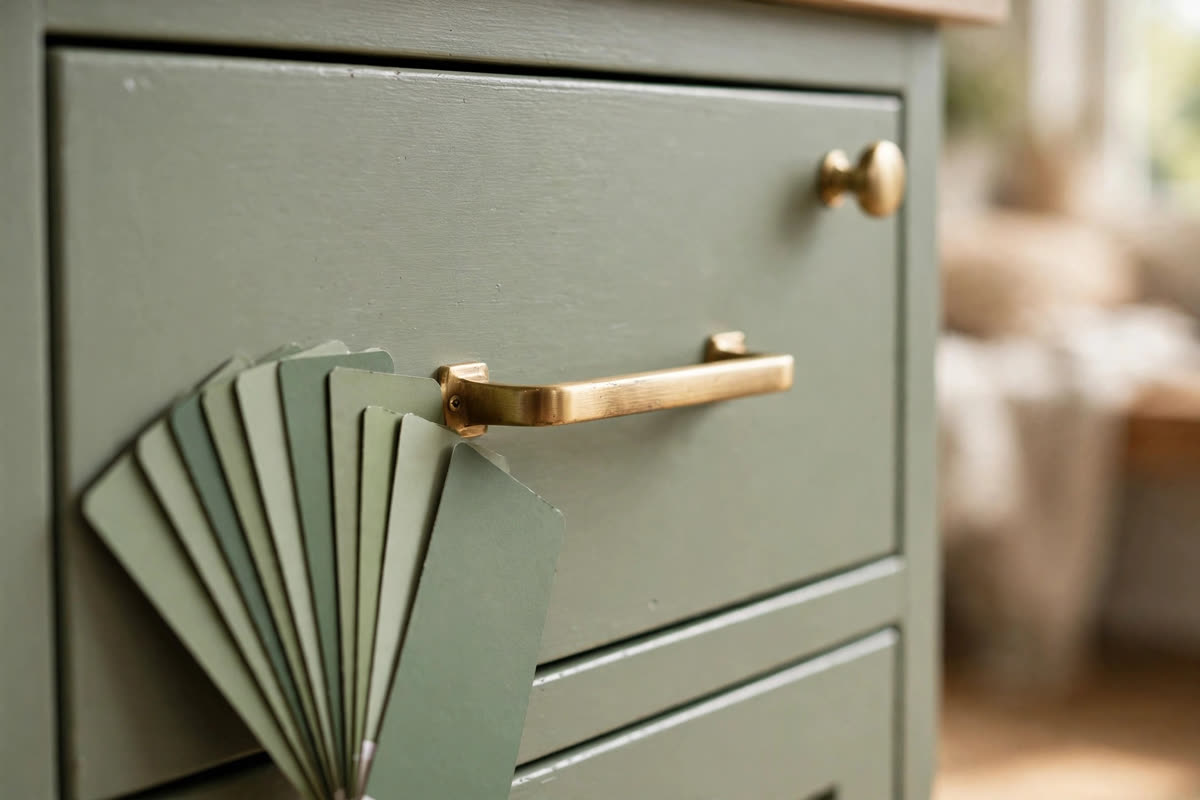
Here is the rule most people miss: your light chooses the sage, not the paint chip. In a north-facing kitchen, cool light will drag out any blue in a gray-green, so lean toward warmer sages like Saybrook Sage or Behr Back to Nature. In a south-facing kitchen with warm light, cooler sages like Clary Sage or Carolina Gull stay true and look their best.
Never choose from a two-inch paint chip. Buy sample pots of your top three shades and paint them directly on an actual cabinet door — or at least on large poster boards you tape to the doors. Live with them for two full days, checking morning, noon, and evening. Cabinet enamel also looks different from wall paint at the same color because sheen and reflectivity change how the tone reads, so do the final check with the actual finish you plan to use.
How to Paint Kitchen Cabinets Sage Green
Painting your own cabinets is genuinely a weekend-to-two-weekend job, and it is where the biggest savings live. The short version:
- Remove doors and hardware, and label everything. Painter's tape on each door with its location keeps reassembly painless.
- Degrease thoroughly. Kitchens coat cabinets in an invisible grease film. Scrub with a TSP substitute or a degreasing cleaner, then rinse and let dry.
- Scuff sand with 150-grit sandpaper. You do not need to strip to bare wood — just dull the gloss so the primer can grip. Wipe dust with a tack cloth.
- Apply a bonding primer. One coat of a quality bonding primer (shellac-based for stained or glossy cabinets) prevents peeling and bleed-through.
- Paint two coats of cabinet enamel. Use an acrylic enamel in satin — not flat, not high-gloss. A foam roller on flat panels and a brush for detailed areas gives the smoothest finish.
- Let it cure. Doors feel dry in 24 hours but stay soft for weeks. Handle gently and give the paint a full 21 to 30 days to harden before heavy use.
Hardware and Styling That Pair With Sage
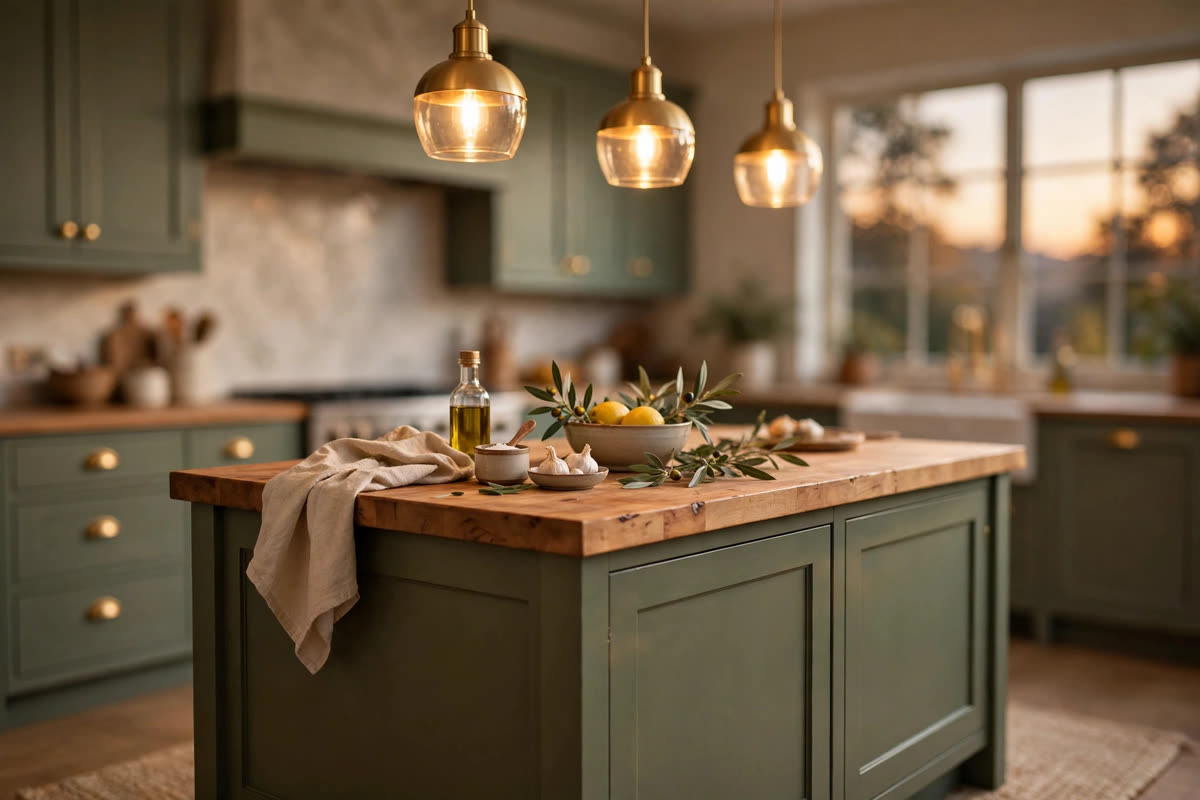
This is where sage green goes from nice to magazine-worthy. Warm metals are the undisputed best pairing: unlacquered brass and brushed gold pulls sit opposite sage on the color wheel, so each makes the other richer. Follow this brass hardware refresh guide for exact measurements, finishes, and cost-saving tips before you order.
For everything else, stay warm. White oak or walnut open shelves, quartz or marble counters with warm veining, and wall paint with a creamy undertone — think Sherwin-Williams Alabaster or Benjamin Moore Swiss Coffee. Avoid pairing sage with stark, blue-white walls or chrome hardware, which can make the green read cold and clinical. And if you are thinking about the rest of the room, these accent wall paint ideas for living rooms show how the same warm-green thinking works beyond the kitchen.
How Much Do Sage Green Cabinets Cost?
There are two honest price paths. Doing it yourself, expect to spend 150 to 400 dollars for an average kitchen: degreaser, primer, two gallons of cabinet enamel, sandpaper, brushes, rollers, and painter's tape. The paint is the small part — your time is the real budget, so plan for the prep to take twice as long as the painting.
Hiring a professional changes the math completely: 3,000 to 7,000 dollars for a typical 10-by-10 kitchen, depending on your region, the number of doors, and whether you want a sprayed factory-style finish. Pros spray for the smoothest result, which is why their finish looks different from most DIY jobs — but a careful roller job with cabinet enamel still looks excellent from normal viewing distance.
Mistakes to Avoid With Green Cabinets
The three most common regrets are all avoidable. First, picking the color from a tiny paint chip instead of a real sample on the door — sage shifts more than most colors, so shortcuts here backfire. Second, skipping the degrease-and-sand prep, which leads to peeling paint six months later and is almost always the real cause of DIY cabinet failures. Third, pairing sage with cool gray walls or chrome hardware, which drains the warmth that makes the color work.
One more: resist the glossy temptation. A satin sheen makes cabinets look like quality woodwork; a high-gloss finish shows every brush mark and roller edge and can make sage look plastic. Save the gloss for trim, and let your cabinets glow softly instead.